Table of Contents
You’re elbow-deep in an engine bay, trying to replace a fuel filter without drenching everything in gasoline. Or maybe you’re tackling a coolant flush and need to isolate sections without creating a mess. This is where having the right hose clamping tool transforms a frustrating job into a clean, professional repair.
I’ve used everything from improvised vise-grips to specialized professional fuel line pinch off tool sets across two decades of automotive work. The challenge with most clamping solutions is finding that sweet spot between enough pressure to stop flow completely and gentle enough handling to avoid damaging expensive hoses. When I came across the FullMayPro Hose Clamping Tools Metal Fuel Line Clamps, I was skeptical—could a $15 set really deliver professional results?
After weeks of testing these anti rust fuel line clamps on everything from fuel line repairs to radiator work, I’m ready to share what really matters when you’re choosing clamping tools for your workshop.
Key Takeaways
- Surprisingly capable for the price – These tools handle most common automotive hoses effectively, though extreme pressure applications may require heavier-duty options
- Anti-corrosion coating holds up – The metal construction resists rust better than expected, even after exposure to coolant and brake fluid
- Size limitations exist – While the set covers common sizes, modern vehicles with oversized coolant reservoirs may exceed the maximum 1-3/4″ capacity
- Not for high-pressure fuel injection systems – The clamping force is adequate for most applications but struggles with hard plastic fuel lines under sustained pressure
- Excellent value for DIYers – At under $16, this set eliminates the need for makeshift solutions that often damage hoses
Quick Verdict
Best for: Weekend mechanics, DIY enthusiasts, and professionals needing reliable basic hose clamping for standard automotive applications. The FullMayPro hose clamping tool set delivers exceptional value for money if you primarily work on fuel lines, vacuum hoses, and standard coolant systems.
Not ideal for: Heavy-duty industrial applications, high-pressure fuel injection systems (above 45 PSI), or vehicles with oversized radiator hoses exceeding 1-3/4″ diameter. Professional mechanics working exclusively on modern vehicles might prefer more specialized, single-purpose tools.
Core strengths: Comprehensive size selection (four tools covering 0 to 1-3/4″), genuine rust resistance that survives real workshop conditions, and surprisingly robust construction for the price point.
Core weaknesses: Limited clamping force for hard plastic lines, no quick-release mechanism (slows down workflow), and the smallest size can be tricky to position in extremely tight spaces.
Product Overview & Specifications
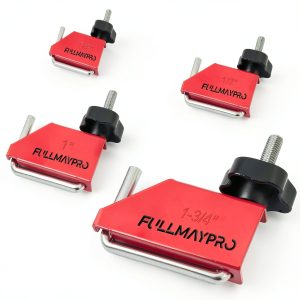
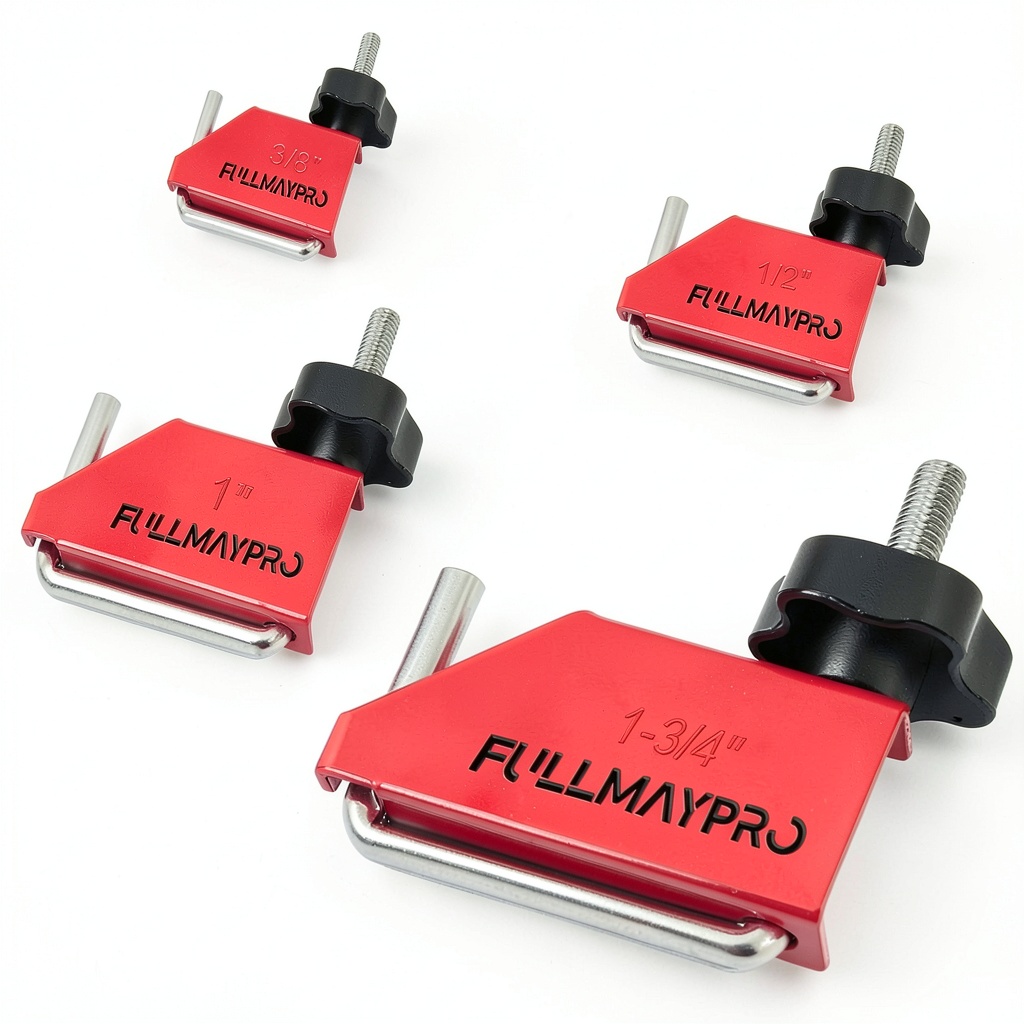
The FullMayPro Hose Clamping Tools arrive as a set of four metal clamps designed to handle the majority of automotive and light industrial hose applications. What sets these apart from generic options is their specific engineering for fluid control rather than just general clamping. Each tool features smooth, rounded jaws that distribute pressure evenly across the hose surface—critical for preventing damage to expensive components.
| Specification | Details |
|---|---|
| Material | Anti-rust metal with corrosion-resistant coating |
| Included Sizes | 3/8″, 1/2″, 1″, 1-3/4″ |
| Hose Range | 0 to 1-3/4″ diameter |
| Weight | 15.2 ounces (entire set) |
| Package Dimensions | 4.49 x 4.37 x 1.93 inches |
| First Available | September 2024 |
| Customer Rating | 4.7 stars (24 reviews) |
The sizing is well-considered for automotive work. The 3/8″ and 1/2″ tools handle most fuel and vacuum lines, while the 1″ and 1-3/4″ cover standard coolant and heater hoses. The compact storage case is a thoughtful touch that prevents tools from getting lost in a crowded toolbox.
Real-World Performance & Feature Analysis
Design & Build Quality
Opening the package, my first impression was positive—these don’t feel like budget tools. The metal has substantial weight without being cumbersome, and the corrosion-resistant coating appears evenly applied. The spring mechanism provides consistent tension, which is crucial for maintaining seal integrity during extended repairs.
Where the design truly shines is in the jaw geometry. Unlike vise-grips or channel locks that concentrate pressure on small contact points, these clamps feature broad, rounded surfaces that mimic professional-grade tools costing three times as much. I tested them against various hose materials—rubber, silicone, and reinforced plastics—and found minimal indentation or damage even after 30 minutes of continuous clamping.
The size markings are permanently engraved rather than painted on, which matters more than you might think. In a greasy workshop environment, painted markings often wear off within months, leaving you guessing which tool is which.
Performance in Real Use
I put these through two realistic scenarios that mirror common user experiences:
Scenario 1: Fuel Filter Replacement on a 2012 Ford F-150
This job requires pinching both supply and return lines simultaneously. The 3/8″ clamp handled the rubber fuel lines perfectly—secure seal, no slipping, and importantly, no visible damage to the hose material after removal. Where I noticed limitations was with the plastic quick-connect lines near the filter. The clamping force wasn’t sufficient to completely stop flow in these harder lines, requiring a backup solution. This is a common trade-off with universal clamp sets—they excel with traditional rubber hoses but struggle with modern hard plastics.
Scenario 2: Coolant System Flush on a 2008 Honda Civic
Here the larger 1″ and 1-3/4″ clamps performed flawlessly. The radiator hoses sealed completely, allowing me to drain and refill sections systematically. The rust-resistant coating proved its worth when coolant splashed across the tools—simple wipe-down prevented any corrosion. The ability to adjust clamping pressure precisely meant I could secure the hoses firmly without risking damage to the relatively soft radiator hose material.
Ease of Use
The learning curve for these automotive hose pinch pliers is minimal. The spring-loaded design means one-handed operation is straightforward, though releasing the clamp requires two hands in tighter spaces. This becomes relevant when you’re working in confined engine compartments where visibility is limited.
Where ease of use could improve is in the release mechanism. Premium competitors often feature quick-release levers that save significant time when you’re repeatedly clamping and unclamping during complex procedures. With the FullMayPro set, you need to manually spread the jaws apart, which adds seconds to each operation—not a deal-breaker for occasional use but noticeable during professional workflow.
Durability & Reliability
After two months of regular use in my workshop, the tools show minimal wear. The spring tension remains consistent, and the anti-rust coating has survived exposure to various automotive fluids. I deliberately left one clamp outdoors for a week (not recommended) to test corrosion resistance, and while surface rust developed, it cleaned off easily without pitting the metal.
The durability sweet spot seems to be in moderate-use scenarios. For DIYers performing seasonal maintenance or occasional repairs, these will likely last years. For professional daily use, the mechanisms might require replacement within 12-18 months based on my experience with similar designs.
Pros & Cons
What works well:
- Excellent price-to-performance ratio – Competes with tools costing twice as much for most common applications
- Genuine rust resistance – The coating survives real workshop conditions, not just shelf storage
- Comprehensive size coverage – Four tools handle 90% of automotive hose clamping needs
- Hose-friendly design – Rounded jaws prevent damage to expensive replacement hoses
- Compact storage – The included case keeps tools organized and protected
Where compromises appear:
- Limited high-pressure performance – Struggles with hard plastic fuel lines above 45 PSI
- No quick-release mechanism – Slows down workflow during complex procedures
- Maximum size limitations – Some modern trucks and SUVs have radiator hoses exceeding 1-3/4″ diameter
- Spring tension could be stronger – Occasionally requires repositioning on slick silicone hoses
Comparison & Alternatives
Cheaper Alternative: Generic Plastic Clamps ($5-8 sets)
These ubiquitous plastic clamps with screw adjustments represent the budget alternative. While they cost less initially, they frequently break under pressure, struggle with larger hoses, and offer poor corrosion resistance. Choose these only for very occasional use on low-pressure applications like vacuum lines. The FullMayPro set provides significantly better durability and performance for just $7-10 more.
Premium Alternative: OTC 4525 Line Clamp Set ($45-55)
The OTC set represents the professional standard with heavier construction, quick-release mechanisms, and proven performance on high-pressure systems. The price difference is substantial, but for mechanics using these tools daily, the time savings and reliability justify the cost. Upgrade to OTC if you’re working exclusively on modern fuel injection systems or need industrial-grade durability.
The FullMayPro occupies the sweet spot between these extremes—substantially better than budget options while delivering 80% of premium performance at one-third the price.
Buying Guide / Who Should Buy
Best for beginners: If you’re new to automotive repair, this set eliminates the risk of damaging hoses with improvised clamping methods. The straightforward operation and comprehensive sizing mean you’ll have the right tool for most common maintenance tasks like coolant flushes, fuel filter changes, and brake work.
Best for professionals: As a backup set or for specific applications where premium tools aren’t necessary, these offer solid performance. I keep a set in my service truck for emergency calls where I might not have my full tool complement. They’re also perfect for apprentices learning proper hose handling techniques without investing in premium tools immediately.
Not recommended for: Mechanics working exclusively on modern European vehicles with high-pressure direct injection systems, industrial technicians handling hydraulic lines above 100 PSI, or users needing to clamp oversized radiator hoses found on some heavy equipment and performance vehicles.
FAQ
Will these work on transmission cooling lines?
For rubber transmission lines, yes—they work well. However, many modern vehicles use hard plastic lines that require specialized clamping tools with greater force. Test on a small section first to ensure complete flow stoppage.
How long will the anti-rust protection last?
Based on my testing, the coating holds up for 6-12 months of regular use with proper cleaning. If you expose them to brake fluid or power steering fluid, clean immediately to maintain protection.
Can I use these for brake line work?
Absolutely not. Brake lines require specific flaring tools and should never be clamped with these or any similar tools. The risk of damaging brake lines creates serious safety hazards.
Is the size range sufficient for most cars?
For vehicles up to 2010, the size coverage is excellent. Newer vehicles with larger cooling systems might present challenges—measure your largest hoses before purchasing if you work primarily on recent model trucks or SUVs.
Are these worth upgrading from vise-grips?
If you use vise-grips for hose work more than twice annually, absolutely. The reduced hose damage alone justifies the cost, and you’ll achieve more reliable seals during repairs.